TEAM K9 TIPS / EVERYDAY LIFE
What To Leave Your Dog Sitter: A Practical Handoff Checklist
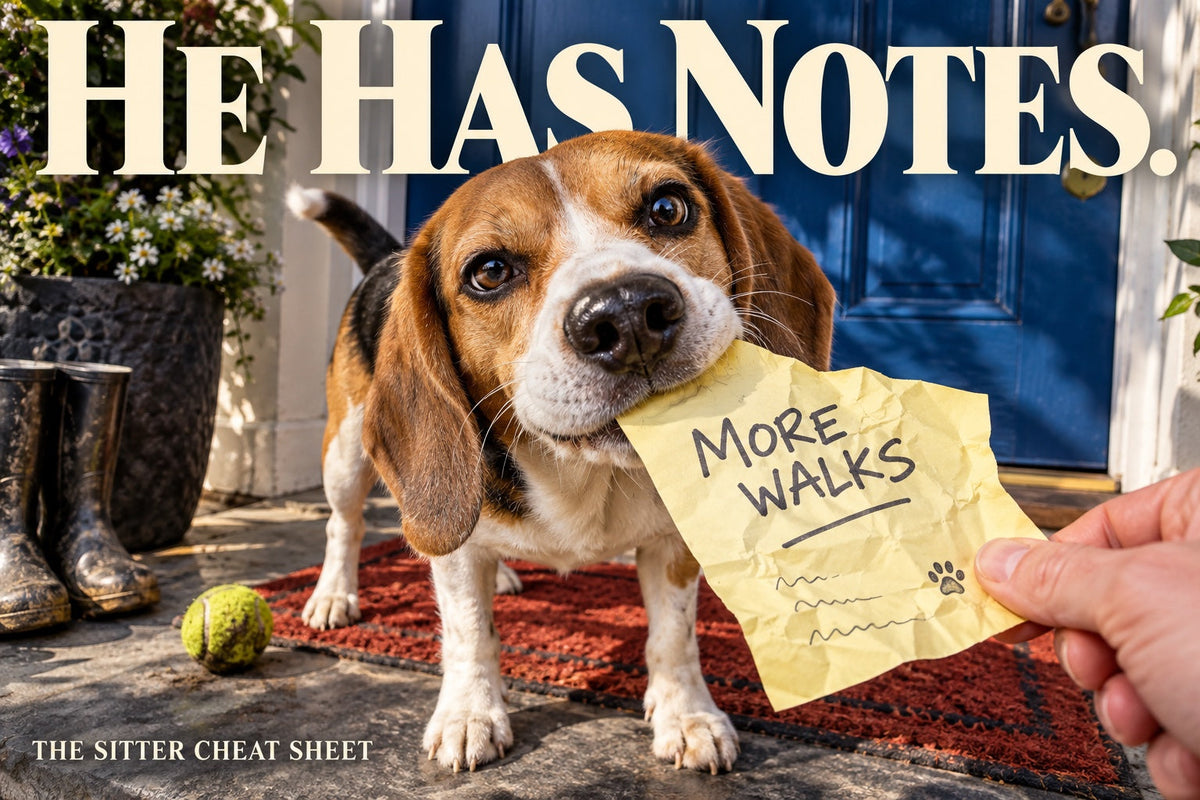
Your bag is by the door. Your dog is watching the leash. The sitter asks how much dinner to give, and you realize that “the usual scoop” only makes sense to you.
A useful dog-sitter handoff makes everyday decisions easy to repeat. Write down portions and times, show the walk in person, and leave supplies and contact numbers in one place. The details you usually handle without thinking are the ones worth sharing.
Start with the routine your dog already knows
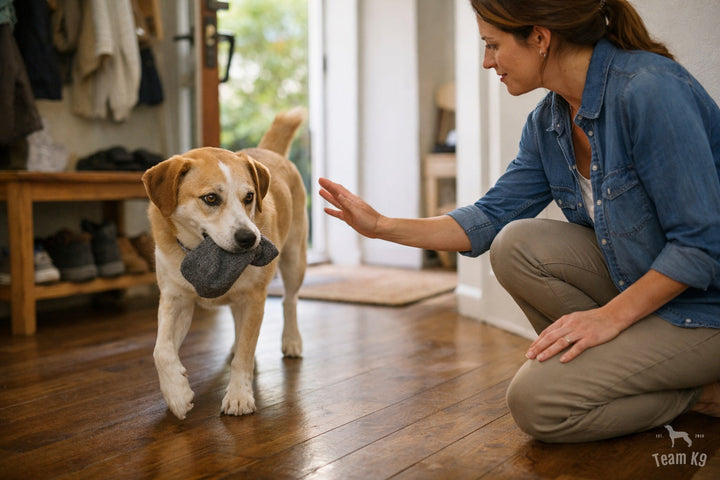
Walk your sitter through an ordinary day, from the first bathroom break to the last trip outside. Use the actual measuring cup when you explain meals. Show where the food lives and name any food restrictions. “Half of this cup at breakfast” gives someone much more to work with than “a small scoop.”
Explain the bathroom signal, too. A dog who waits silently by the back door may be obvious to you and easy for a visitor to miss. Point out the door, the signal and the usual times you go out.
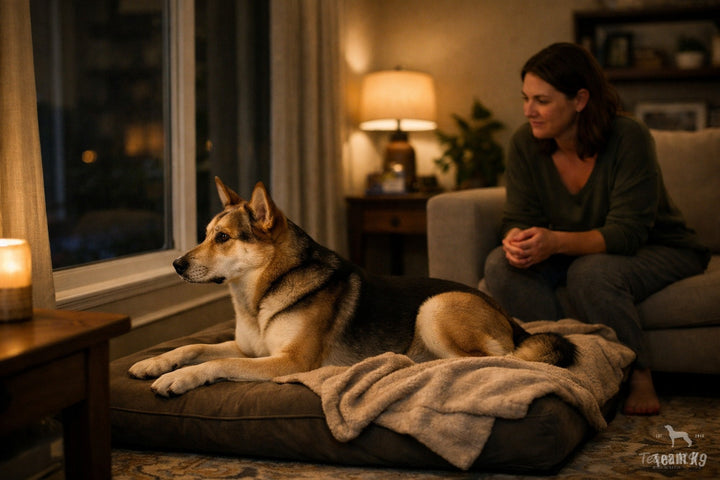
For the evening, show the normal resting spot and a familiar toy. Tell the sitter what you usually do before bed and where your dog sleeps. Keeping those instructions recognizable gives the sitter a place to start.
The detail test
Read each instruction as if you had never met your dog. Could you find the item, understand the amount and know when to do it? Replace “his food is in the cupboard” with the cupboard's location. Replace “he'll tell you” with the behavior to watch for.
Take a short walk together
Let your sitter put on the familiar harness and attach the leash while you are there. Show which attachment point you use, how you check the fit and where you keep the walking gear. If the sitter has to repeat the setup alone later, watching you once is less useful than trying it themselves.
Follow your normal route. Point out the dog behind the fence, the busy crossing and the gate that needs a firm pull to latch. Describe what you usually do at each spot. Let the sitter take the leash for part of the walk so questions come up while you can answer them.
If a route or situation feels difficult for your sitter to manage, agree on a simpler outing before you leave. A handoff is a chance to learn what feels workable together.

Try the route together, including the places where your dog usually stops.
For the walking setup, read Team K9’s guide to choosing a dog harness. If you use a Team K9 All-Metal Tactical Harness, show your sitter the attachment point you use on your own dog rather than assuming they will choose the same one.
Leave the supplies where the routine happens
Keep the leash, waste bags and outing supplies together. Put the measuring cup with the food. Leave the familiar toy where your sitter can find it without searching through drawers.
Walk through the home access arrangements as well. Show how the door locks and how any gates latch. Agree on where the keys stay and how to reach someone if there is an access problem.
For care instructions, leave your veterinarian's contact details and a backup person who can help if you are unavailable. If your dog takes medication, provide the original labels and your veterinarian's written instructions. Make sure the sitter understands those instructions before the handoff.
COPY THIS INTO YOUR SITTER NOTE
Your dog's everyday handoff
Fill this in before the sitter arrives, then walk through it together. Keep a paper copy with the supplies or send the completed note directly to your sitter.
- Meals
- Food location: __________
Measuring cup and portion: __________
Meal times and food restrictions: __________ - Bathroom breaks
- Usual times: __________
The signal to watch for: __________
Door and outdoor area to use: __________ - Walks
- Harness and leash location: __________
Attachment point and fit shown in person: __________
Usual route, difficult spots and agreed alternatives: __________ - Time at home
- Favorite toy or game: __________
Resting spot and bedtime routine: __________
House access and key arrangements: __________ - People and care
- My contact details: __________
Backup contact: __________
Vet and emergency clinic contact details: __________
Written care instructions and labels kept at: __________ - Updates
- When and how we will check in: __________
Anything else to tell me about: __________
Keep the familiar gear easy to find
A trip does not have to mean a new setup. Practice with the harness and leash your dog already uses, and leave enough bags for the stay. If you are replacing walking gear, allow time to check the fit and let the sitter try it before departure.
The All-Metal Tactical Harness and the Tactical Leash are available if you need to replace those pieces. Choose and practice with the setup before handing it over.
Before you head out
Ask your sitter to show you where the food, walking gear and contact note are. Agree on a check-in time and the best way to reach you. Then leave the note somewhere obvious.
You know the small details that make your dog's day familiar. Sharing those details gives your sitter practical instructions they can use after the front door closes.
A few handoff questions
What should I tell a dog sitter first?
Start with the daily routine: meals, bathroom breaks, walks and bedtime. Show where supplies are, explain relevant restrictions, and leave contact details and any written care instructions.
Should we do a practice walk?
A short walk together lets the sitter try the gear, see the route and ask about unfamiliar situations before you leave. Agree on an outing they feel comfortable managing.
How much should I write down?
Write enough for someone to repeat the routine without guessing. Portions, locations, signals and contact numbers are more useful than a long description of your dog's personality.
More help with the everyday setup
The dog gear reset that saves tomorrow’s walk
A better night routine for dogs who will not settle at bedtime
 “My dog pulls on every walk”
 “I want control without a bulky vest”
 “My dog slides into the footwell”